Fiberglass has been in walls and attics for decades, and there’s a reason it hasn’t gone anywhere. It’s affordable, it’s widely available, and when it’s installed with some care, it does a steady job of keeping a house comfortable. If you’re weighing fiberglass insulation in Loveland, CO, it helps to understand what the material is actually doing behind your drywall and which spots in a home it’s best suited for. The short version is that fiberglass works well in a lot of places, but only when it’s matched to the right spot and installed the right way.
How Fiberglass Actually Slows Heat
Glass isn’t something most people associate with staying warm, but it’s a poor conductor of heat, and that’s the whole point. Spin it into fine, hair-thin fibers and pack them loosely together, and you end up with millions of little pockets of still air caught between the strands. That trapped air is the real insulator. Heat has a hard time pushing through all those dead spaces, so it slows down on its way from the warm side of a wall to the cold side. The fibers do some of the work, but the air they hold does most of it.
That matters more than usual around here. Loveland doesn’t give you a mild, steady climate to plan around. Winters drop hard, summers get genuinely hot, and the swing between a cold night and a warm afternoon can be dramatic. Fiberglass helps hold the line in both directions, keeping furnace heat inside when it’s freezing and slowing the outdoor heat trying to radiate in during July. On top of that, it’s made from spun glass, so it won’t burn and it doesn’t give mold or bacteria anything to feed on. For a budget-conscious material, that’s a lot of value packed into something that looks like pink cotton candy.
Where Fiberglass Earns Its Keep
The attic is the most common home for fiberglass, and it’s a natural fit. Blown-in, or loose-fill, fiberglass gets poured in as a thick, even blanket that settles around trusses, wiring, and all the odd framing an attic throws at you, with no seams for heat to sneak through. If an attic already has some insulation but not enough, unfaced rolls laid over the top are an easy way to build the depth back up. Attics lose more heat than almost any other part of a house, so this is usually where fiberglass pays off first.
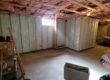
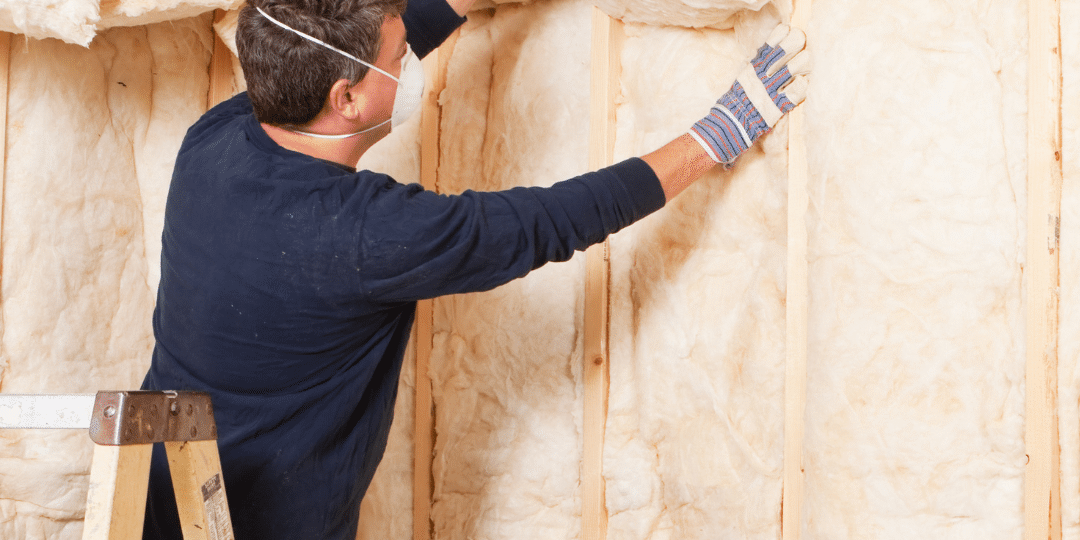
Walls are the next big one. In new construction or a down-to-the-studs remodel, pre-cut faced batts slide neatly into the stud bays, and the paper or foil facing goes toward the living space to help manage moisture. You get a snug fit when the cavities are open and easy to reach, which is exactly why walls are easiest to insulate before the drywall goes up. Fiberglass shows up in basements and crawl spaces too, usually as faced batts along framed basement walls or tucked against crawl space ceilings to take some of the edge off the cold coming up from the ground. Moisture is more of a concern down there, so the facing and the conditions of the space both matter, and it’s worth a conversation about whether fiberglass or another material fits your particular basement best.
There are quieter uses that people forget about. Unfaced batts between interior rooms or in the floor joists don’t do much for your energy bill, but they’re good at knocking down the sound that travels from one room to the next, which is handy around a laundry room, a shared wall, or a home office. And then there’s the detail work: foil-faced wraps and cut-to-fit batts around exposed ductwork and rim joists, where a surprising amount of energy slips away if those spots are left bare.
The Details That Decide How Well It Performs
Here’s where fiberglass gets a mixed reputation, and almost always unfairly. The material is only as good as the install. The single biggest mistake is compressing it. When fiberglass gets crammed into too tight a space or smashed flat, you squeeze out the trapped air that makes it work in the first place, and the insulating value drops with it. It needs its loft. Thick and fluffy beats dense and packed every time.
Facing is the other thing people get backwards. The kraft paper or foil on a faced batt is a vapor retarder, and it belongs toward the warm, living side of the assembly, not buried in the middle or turned the wrong way. Put it in the wrong place and you can trap moisture instead of managing it. Unfaced batts skip that layer, which is why they’re the pick for interior walls, floors, and topping off an attic.
The last piece is the one fiberglass can’t do on its own. It slows heat, but it doesn’t stop air from moving. Gaps around pipes, wiring, and framing will keep leaking drafts right past a perfectly good batt, so pairing the insulation with proper air sealing, caulk, and weatherstripping is what actually gets you a tight, comfortable home. Fiberglass handles the heat transfer. Air sealing handles the leaks. You want both.
Frequently Asked Questions
It’s a solid, cost-effective option for the temperature swings we get here. It holds heat in during cold winters, slows summer heat coming in, and since it’s spun glass, it won’t burn and won’t feed mold.
Faced batts have a paper or foil layer that acts as a vapor retarder and faces the living space, which makes them a fit for exterior walls and basement framing. Unfaced batts have no such layer and work better for interior walls, floors, and adding to existing attic insulation.
Yes, you just use different forms. Blown-in loose-fill is ideal for covering an attic floor evenly, while pre-cut batts fit cleanly between wall studs. Matching the right form to the space is what makes it perform.
No, and that’s an important one. Fiberglass slows heat, but air still moves through gaps around pipes, wires, and framing. You need air sealing alongside it to actually cut the drafts.
It can. Unfaced batts placed in interior walls or floor joists dampen a good amount of the sound that would otherwise carry from room to room, which is why it shows up around laundry rooms and shared walls.
Because the trapped air between the fibers is what insulates. Compressing it forces that air out and lowers how well it works, so it performs best when it keeps its full loft.
Figuring Out the Right Insulation for Your Whole Home? Talk to Insulation Pros of Colorado
Fiberglass is a strong, affordable piece of the puzzle, but a comfortable, efficient home usually comes from matching the right material to each part of the house instead of relying on one product everywhere. At Insulation Pros of Colorado, whole-home insulation is what we do, from attics and walls to basements, crawl spaces, and the spots most people overlook. If you’re not sure whether fiberglass is the right call for a particular space or how it should work alongside your other insulation and air sealing, reach out and we’ll help you put together a plan built around how your home is actually used.