When it comes to preparing your home for Colorado’s cold winters and hot summers, attic insulation plays a major role in comfort and energy efficiency. But one of the most common questions homeowners ask is: Should I choose blown-in insulation or batt insulation for my attic?
Both options are widely used, but they perform differently—especially in a climate like Loveland’s, where temperature swings can be extreme. In this guide, we’ll break down the differences, benefits, and best use cases so you can make an informed decision.
Why Attic Insulation Matters in Colorado
Your attic is one of the biggest sources of heat loss in your home. During winter, warm air rises and escapes through the attic if it’s not properly insulated. In the summer, heat from the roof radiates downward into your living space.
The right insulation:
- Reduces heat loss and heat gain
- Lowers energy bills
- Improves indoor comfort
- Reduces strain on your HVAC system
If you’re searching for blown in attic insulation in Loveland CO, you’re already on the right track toward improving your home’s performance.
What Is Batt Insulation?
Batt insulation comes in pre-cut sections, typically made from fiberglass. These pieces are designed to fit between attic joists and framing.
Pros of Batt Insulation
- Cost-effective option for many homeowners
- Easy to install in open, accessible attic spaces
- Provides consistent coverage when installed properly
- Offers solid thermal performance for standard applications
Cons of Batt Insulation
- Can leave gaps or air pockets if not installed precisely
- Less effective in irregular or hard-to-reach spaces
- Doesn’t provide strong air sealing on its own
Batt insulation works best in attics with simple layouts and open framing, where installers can easily place each section without obstruction.
What Is Blown-In Insulation?
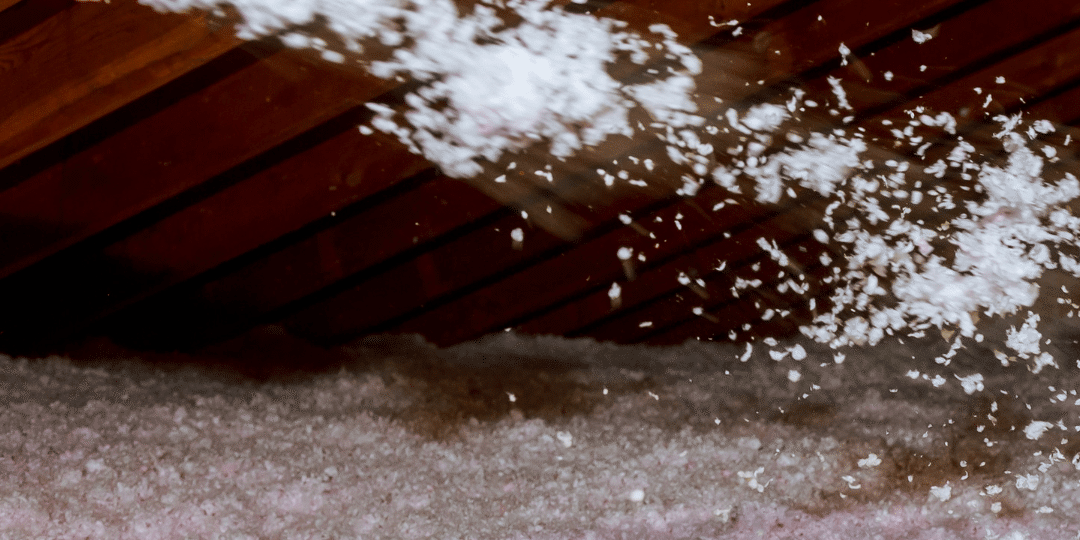
Blown-in insulation (also called loose-fill) is made of fiberglass or cellulose and is applied using specialized equipment that distributes the material evenly across the attic floor.
Pros of Blown-In Insulation
- Fills gaps and irregular spaces more effectively than batts
- Provides more uniform coverage, reducing cold spots
- Ideal for adding insulation over existing material
- Quick installation—many projects completed in a day
- Helps improve overall thermal performance
Cons of Blown-In Insulation
- Requires professional equipment and installation
- Can settle slightly over time (depending on material)
Blown-in insulation is often the preferred choice for attic upgrades in Colorado homes, especially when dealing with older insulation or uneven surfaces.
Key Differences: Blown-In vs. Batt Insulation
| Feature | Blown-In Insulation | Batt Insulation |
| Coverage | Excellent for gaps and irregular areas | Best for open, uniform spaces |
| Installation | Requires equipment and expertise | Easier for basic installations |
| Performance | More consistent thermal barrier | Depends heavily on proper fit |
| Air Sealing | Better when combined with sealing | Limited air sealing ability |
| Best Use | Attic upgrades and retrofits | New construction or open attics |
Which Is Best for Colorado Homes?
For most homeowners in Loveland and surrounding areas, blown-in insulation is often the better choice for attics—especially when upgrading an existing home.
Here’s why:
- Colorado homes often have temperature extremes, requiring consistent insulation coverage
- Older homes may have uneven or insufficient insulation, which blown-in material can easily improve
- Blown-in insulation works well with air sealing, which is critical for preventing heat loss
That said, batt insulation still has its place. It’s a great option for:
- New construction
- Attics with simple layouts
- Budget-conscious projects
In many cases, the best solution is a combination approach—air sealing first, followed by blown-in insulation for maximum performance.
Other Factors to Consider
1. R-Value Requirements
Colorado homes typically require higher R-values (often R-49 or more in attics). Blown-in insulation makes it easier to achieve these levels evenly.
2. Air Sealing
No matter which insulation you choose, air sealing is essential. Without it, even the best insulation will underperform.
3. Existing Insulation
If your attic already has insulation, blown-in material can be added on top to improve performance without full removal.
4. Installation Quality
Proper installation matters just as much as the material itself. Poorly installed insulation—especially batts—can lead to gaps and reduced efficiency.
Why Work with Insulation Pros of Colorado?
At Insulation Pros of Colorado, we help homeowners choose the right insulation based on their home’s structure, budget, and performance goals. Whether you’re considering batt insulation or searching for blown in attic insulation in Loveland CO, our team delivers professional, efficient installation backed by experience.
We use high-quality materials, including trusted products like Owens Corning fiberglass, and ensure every attic is properly sealed and insulated for Colorado’s demanding climate.
Schedule Your Free Attic Insulation Estimate
Not sure which insulation is right for your home? Let our experts take a look.
Contact Insulation Pros of Colorado today to schedule your free attic insulation assessment. We’ll evaluate your current insulation, identify problem areas, and recommend the best solution to improve comfort and reduce energy costs.
FAQ: Blown-In vs. Batt Insulation
1. Is blown-in insulation better than batt insulation for attics?
In many cases, yes. Blown-in insulation provides more complete coverage and performs better in irregular attic spaces, making it ideal for upgrades.
2. Can I add blown-in insulation over existing batt insulation?
Yes. This is a common and effective way to increase your attic’s R-value without removing existing material.
3. How long does blown-in insulation installation take?
Most attic projects can be completed in a single day, depending on the size of the space.
4. Does batt insulation work well in cold climates like Colorado?
It can, but only if installed perfectly. Gaps or compression can reduce its effectiveness, especially in extreme temperatures.
5. Will new attic insulation lower my energy bills?
Yes. Proper insulation and air sealing can significantly reduce heating and cooling costs by improving your home’s energy efficiency.