Your attic likely needs more insulation if you can see the tops of the floor joists, if upstairs rooms stay chilly, if heating bills keep climbing, or if icicles and ice dams form along the roofline each winter. Each of these points to heat escaping through the ceiling, and adding blown-in attic insulation in Loveland, CO, before temperatures drop is one of the most practical ways to stop it.
Warm air naturally rises, so the attic is where a home loses much of its heat during cold months. Northern Colorado winters bring freezing nights and regular snow, so an underinsulated attic puts extra strain on your furnace for months on end. A quick inspection now can show whether your current insulation is still doing its job.
What Can You See Inside the Attic That Signals a Problem?
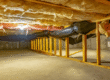
Start with a visual check from the attic hatch, using a flashlight and staying on the joists. If the insulation sits level with or below the top of the floor joists, your attic is likely underinsulated. ENERGY STAR recommends attic insulation in the range of R49 to R60 for cold climate zones, which include most of Colorado’s Front Range, and reaching that level typically requires a depth well above the joists.
Condition matters as much as depth. Insulation that looks flattened, clumped, stained by moisture, or blackened in spots is no longer trapping air the way it should. Dark patches often mark places where air leaks have pulled dust through the fibers, while gaps around light fixtures, vent pipes, and the hatch itself leave open paths for heat to escape. Older homes built before modern energy codes may also have thin or outdated material that has never been upgraded.
Which Signs Show Up in Your Living Space and Energy Bills?
Some warnings appear without climbing into the attic at all. Upstairs bedrooms that feel noticeably colder than the main floor, ceilings that feel cool to the touch, and a furnace that cycles on more often than it used to all suggest heat is slipping out overhead. Comparing this winter’s heating bills with past years can also reveal a gradual decline as older insulation settles and loses effectiveness.
Your roof offers clues, too. After a light snowfall, notice how quickly the snow melts on your roof compared with neighboring homes. Fast or patchy melting, along with heavy icicles or ice dams at the eaves, often means warm air is reaching the roof deck. Those symptoms point to the need for blown-in attic insulation in Loveland, CO, ideally paired with air sealing so heat cannot bypass the new material.
Why Is Fall the Right Time to Add Blown-In Insulation?
Blown-in insulation, also called loose-fill, is installed with a machine that sends fiberglass or cellulose through a hose and spreads it evenly across the attic floor. Because it settles into irregular spaces and around wiring, pipes, and framing, it covers areas that precut batts often miss. In many attics, new blown-in material can go directly over existing insulation that is dry and in good condition, which keeps the project simpler.
Timing makes a difference as well. Attics are more comfortable to work in in fall than at summer’s peak, and finishing the upgrade before heating season lets you benefit from it through winter’s coldest months. Waiting until ice dams appear can mean dealing with roof or ceiling water damage alongside the insulation itself.
How Insulation Pros of Colorado Prepares Loveland Attics for Winter
At Insulation Pros of Colorado, we dispatch from Loveland and serve homeowners across the Front Range. Our team installs blown-in Owens Corning products backed by a lifetime product warranty, and we also offer attic air sealing, insulation removal, and energy efficiency audits when your attic needs more than added depth.
If you have noticed any of these signs and want blown-in attic insulation in Loveland, CO, before winter sets in, call or text us at (970) 980-6455 or reach out online to schedule a free estimate.