When homeowners think about cutting energy costs, they usually look at windows, doors, or the attic. Foundation walls rarely come to mind. But uninsulated or under-insulated foundation walls can account for up to 50% of a home’s total heat loss, making them one of the most impactful areas to address. For homeowners in Loveland and across Colorado, where temperatures swing dramatically between seasons, foundation wall insulation is one of the smartest long-term investments you can make.
Where Your Money Is Going
Heat follows the path of least resistance. During winter months, warm air inside your home naturally rises and escapes through the upper levels, while cold air is drawn in at the foundation level to replace it. This is known as the stack effect, and uninsulated foundation walls make it significantly worse.
Every time cold seeps through your concrete foundation walls, your furnace or heat pump works harder to compensate. Over time, this constant strain adds up on your utility bills and accelerates wear on your HVAC equipment. Homeowners who properly insulate their foundation walls can see heating and cooling cost reductions of 15 to 30 percent, depending on the home’s size, age, and existing insulation levels.
The Full Financial Picture
The savings from foundation wall insulation go well beyond a lower monthly utility bill.
Reduced HVAC Wear and Repair Costs
When your heating and cooling system runs less frequently, it lasts longer. Fewer cycles mean less mechanical stress, which translates to fewer repair calls and a longer overall equipment lifespan. Replacing an HVAC system is a significant expense, and proper foundation insulation helps you get more years out of the one you have.
Prevention of Moisture Damage
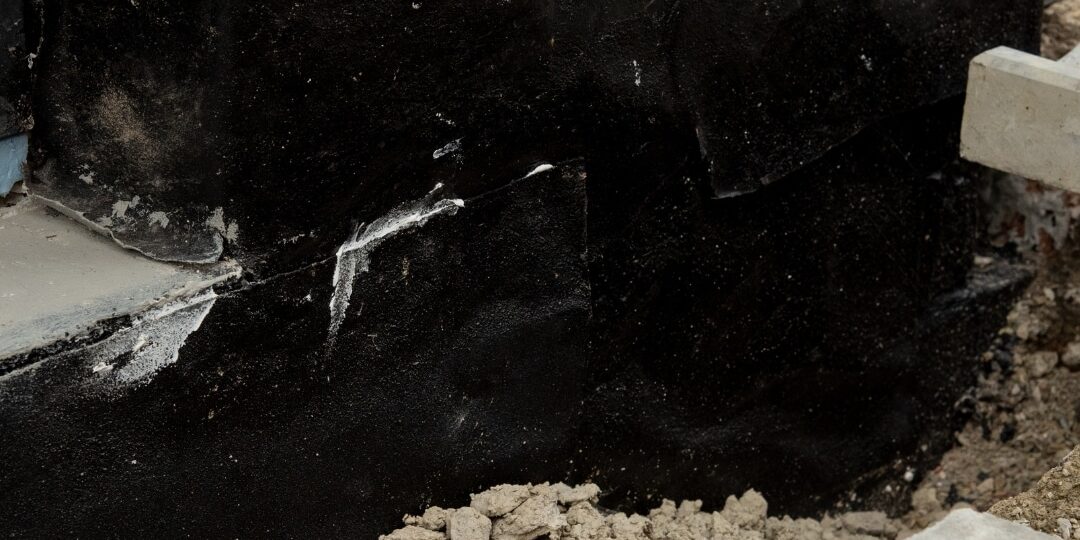
Uninsulated concrete foundation walls are prone to condensation, particularly when warm indoor air meets cold surfaces. Over time, that moisture leads to mold growth, wood rot, and structural damage that can cost thousands of dollars to remediate. By keeping foundation walls warmer, insulation reduces condensation and protects the structural integrity of your home.
Pest Deterrence
Drafts and moisture along the foundation create exactly the conditions that attract insects and rodents. Sealing and insulating foundation walls closes off those entry points, reducing the likelihood of infestations and the repair costs that come with them.
More Usable Living Space
Properly insulated foundation walls help make basement and lower-level areas more comfortable and usable year-round. Rather than a cold, drafty space you avoid in winter, an insulated foundation creates a stable, livable environment that adds real value to your home.
Choosing the Right Insulation Approach
Not all foundation wall insulation projects look the same. The best approach depends on whether you are building new or retrofitting an existing home, as well as the specific characteristics of your foundation.
Exterior Foundation Insulation
For new construction, installing rigid foam board on the outside of foundation walls is often the preferred method. It eliminates thermal bridging, where cold transfers through wood or steel framing into your living space, and protects the concrete from the freeze-thaw cycle that is common in Colorado. Exterior installation also preserves your interior square footage.
Interior Foundation Insulation
For existing homes, interior insulation is typically the more practical option. Continuous rigid foam board or extruded polystyrene installed against the interior of foundation walls provides a solid thermal barrier without requiring excavation around the exterior. A hybrid approach combining spray foam with traditional batt insulation is another effective option for achieving higher R-values.
Spray Polyurethane Foam
Spray foam can be applied to both interior and exterior foundation walls and expands to fill gaps and voids completely. It provides excellent thermal performance and acts as an air seal simultaneously, addressing both heat loss and moisture infiltration in a single application.
The Department of Energy recommends ensuring your foundation insulation meets the R-value requirements for your climate zone. In Colorado, the demands of cold winters make achieving adequate R-values particularly important.
Frequently Asked Questions
Q: How much can I actually save on energy bills with foundation wall insulation?
A: Savings vary based on your home’s size, current insulation levels, and local energy rates, but properly insulated foundation walls can reduce heating and cooling costs by 15 to 30 percent. Combined with attic and crawl space insulation, the total energy savings can be substantial.
Q: What is the difference between interior and exterior foundation insulation?
A: Exterior insulation is installed on the outside of the foundation wall and is best suited for new construction. It protects the concrete from moisture and freeze-thaw damage while eliminating thermal bridging. Interior insulation is applied to the inside of foundation walls and is the more common choice for existing homes since it does not require excavation.
Q: Will foundation wall insulation help with moisture problems?
A: Yes. Insulating foundation walls keeps the concrete surface warmer, which significantly reduces condensation. Less condensation means less moisture, and less moisture means a lower risk of mold growth and structural damage to floor joists and framing.
Q: How do I know what R-value I need for my foundation walls?
A: R-value requirements vary by climate zone. In Colorado, the International Residential Code and Department of Energy guidelines recommend specific minimums based on your location. A professional energy assessment is the most reliable way to determine the right R-value for your home.
Q: Is foundation wall insulation a DIY project?
A: While some homeowners attempt interior insulation projects, professional installation ensures correct R-values throughout, proper air sealing, and materials that are appropriate for your specific foundation type. Improper installation can lead to moisture problems and reduced performance over time.
Q: How long does foundation wall insulation last?
A: Quality insulation materials such as rigid foam board and spray polyurethane foam are highly durable and can last the lifetime of the home when properly installed and kept dry. A professional assessment every several years helps confirm everything remains in good condition.
Start Saving with Professional Foundation Wall Insulation
Foundation wall insulation is not just a comfort upgrade. It is a financial decision that pays off month after month through lower utility bills, reduced HVAC wear, and protection against costly moisture and structural damage. For homeowners in Loveland and throughout Colorado, it is one of the highest-return improvements available.
At Insulation Pros of Colorado, our team specializes in foundation wall insulation using proven materials and methods tailored to Colorado’s climate. We offer free, no-obligation energy assessments and back every installation with a 10-year labor warranty. Call us at (970) 980-6455 or visit insulationprosco.com to schedule your assessment and find out exactly how much your home could be saving.