If you’ve ever noticed that your upstairs feels like a sauna compared to the rest of your home, you’re not alone. This is one of the most common comfort complaints homeowners have, and the good news is that it’s usually fixable. Understanding why heat builds up on your upper floor is the first step toward a cooler, more comfortable home.
The Science Behind a Hot Upstairs
Heat naturally rises. This means warm air from throughout your home migrates upward and settles in your upper living spaces. During summer months, this effect is made significantly worse by a sun-baked roof radiating heat downward through the attic and into your ceilings. If there’s little standing between that radiant heat and your living space, your upstairs rooms will bear the brunt of it.
Top Reasons Your Upstairs Is Overheating
- Inadequate Attic Insulation
This is the most common culprit. Without sufficient insulation in the attic, heat transfers freely from the roof into the rooms below. Attic temperatures can climb well above 130°F on a hot summer day, and without a proper thermal barrier, that heat pours straight into your upstairs living spaces. Many older Colorado homes were built before modern energy efficiency codes and may have insulation that is outdated, compacted, or missing entirely.
- Air Leaks in the Ceiling
Small gaps around recessed lighting, bathroom exhaust fans, attic hatches, and plumbing penetrations allow hot attic air to seep directly into your upper floor. These leaks are often invisible but can have a surprisingly large impact on your home’s temperature and energy bills.
- Poor Attic Ventilation
When hot air gets trapped in the attic without a way to escape, it builds up and pushes heat downward. Proper ventilation through soffit vents and ridge vents allows hot air to move out of the attic continuously, reducing the thermal load on your insulation and your HVAC system.
- Knee Wall Issues
In homes with slanted or vaulted ceilings, short knee walls are a frequent problem area. These walls are often under-insulated or completely uninsulated, creating a direct path for heat to enter your upstairs rooms.
- An Overworked HVAC System
Even a well-functioning air conditioner can struggle to keep up when heat is pouring in from above. Over time, this puts unnecessary strain on your system and can lead to costly repairs or early replacement.
How to Fix It
The most effective solution starts in the attic. Upgrading your attic insulation to meet current recommended R-values creates a thermal barrier that dramatically reduces heat transfer into your living spaces. Pair that with thorough air sealing around any ceiling penetrations, and you address both the insulation gap and the air leak problem at the same time.
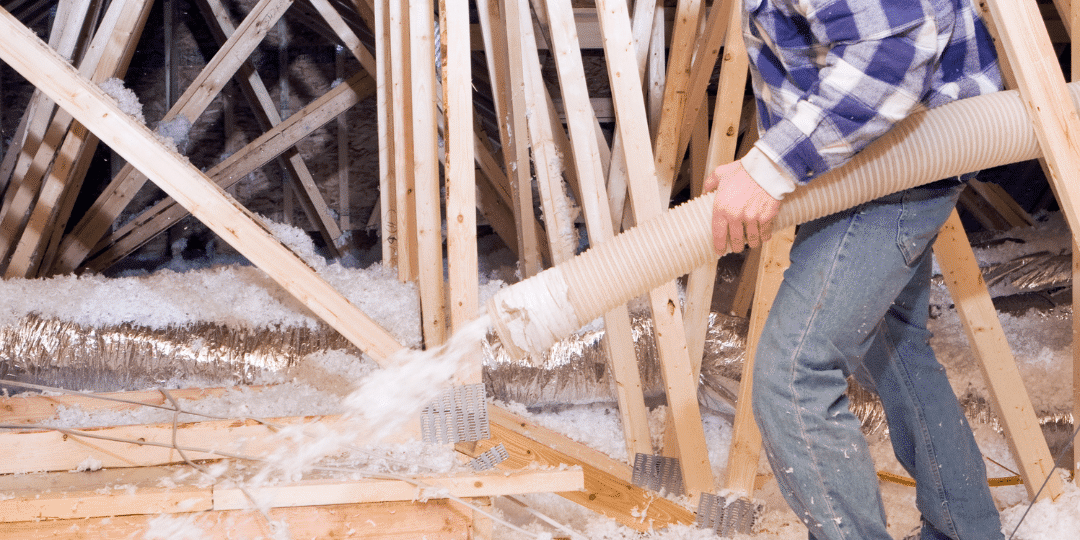
Depending on your attic’s layout and your home’s specific needs, insulation options include loose-fill blown-in insulation for irregular spaces, fiberglass batts for accessible floor joists, and spray foam for superior air sealing in hard-to-reach areas. A professional energy assessment can help identify exactly where heat is entering and which solution makes the most sense for your home.
Frequently Asked Questions
Q: How do I know if my attic insulation is the problem?
A: A few signs point in that direction: your upstairs is noticeably hotter than the rest of the home, your energy bills have been climbing, or your insulation hasn’t been inspected in five or more years. A professional assessment can confirm whether your insulation meets current standards.
Q: What R-value do I need for my attic in Colorado?
A: The U.S. Department of Energy recommends R-49 to R-60 for attics in Colorado’s climate zone. Many older homes fall well short of this, which is why topping off or replacing existing insulation is so common here.
Q: Can old insulation make things worse over time?
A: Yes. Insulation materials can compact and settle over the years, reducing their effectiveness. Older materials can also deteriorate and contribute to poor air quality in the home.
Q: Will adding insulation actually make a noticeable difference?
A: Most homeowners report a significant improvement in comfort after upgrading attic insulation, along with a reduction in monthly energy costs. It is one of the highest-return improvements you can make to a home.
Q: Is attic insulation a DIY project?
A: While some homeowners attempt it, attic insulation is most effective when installed by professionals who can properly seal air leaks, ensure correct R-values throughout, and avoid blocking ventilation. Improper installation can actually reduce performance and lead to moisture problems.
Q: How long does attic insulation last?
A: Quality insulation can last 20 to 30 years, but its performance depends on the material, installation quality, and whether your attic has moisture or pest issues. Regular inspections help catch problems before they affect your comfort.
Stop Letting Your Upstairs Overheat
A hot upper floor is not something you just have to live with. In most cases, the fix is straightforward and pays for itself through lower energy bills and reduced strain on your HVAC system.
Insulation Pros of Colorado specializes in attic insulation for homes throughout the region, using top-quality materials and proven installation methods. Whether you need a full insulation upgrade or just an honest assessment of what your attic needs, our team is ready to help.
Schedule your free in-home assessment today at insulationprosco.com and take the first step toward a cooler, more comfortable home this summer.