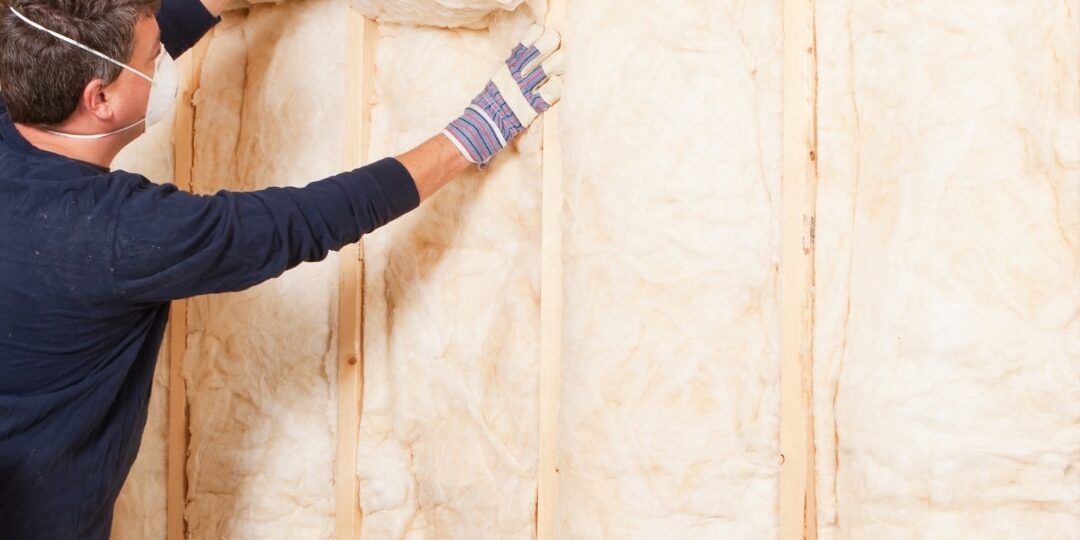
When you think of your home’s insulation, the attic or basement might come to mind first—but the walls of your home play a major role in how warm (or cold) you feel throughout the year. Especially here in Loveland, Colorado, where winters get cold and summers can heat up quickly, what’s behind your drywall can dramatically impact your comfort, HVAC performance, and monthly utility bills.
Let’s take a closer look at what type of insulation might be inside your walls—and how that affects everything from cozy winter mornings to your energy efficiency goals.
Why Wall Insulation Matters More Than You Think
Your exterior walls are constantly exposed to outdoor temperatures. Without proper insulation, heat escapes during the winter and enters during the summer—forcing your HVAC system to work overtime. High-quality wall insulation acts as a thermal barrier, slowing conduction, convection, and radiation—the three main types of heat transfer—so your interior stays consistent and comfortable.
Poor or missing wall insulation can lead to:
- Drafty rooms
- Uneven temperatures from room to room
- Higher energy bills
- Moisture buildup or condensation
- Shortened HVAC lifespan
Types of Wall Insulation and Their Impact
Different insulation materials offer different levels of R-value, which measures resistance to heat flow. The higher the R-value, the better the performance.
R-value: ~R-3.2 to R-3.8 per inch
Best for: General wall insulation, especially in existing homes
Pros:
- Affordable and widely available
- Works well if installed correctly
Cons:
- Gaps or compression reduce effectiveness
- Not a great air sealant
If you’re searching for “Fiberglass Insulation Loveland CO,” this is likely what’s in your walls—though it may need upgrading.
R-value: R-6+ per inch
Best for: New construction, renovations, or sealing problem areas
Pros:
- Superior air sealing properties
- Fills wall cavities completely
- Moisture-resistant
Cons:
- Higher installation cost
- Requires professional application
If you’re considering “Spray Foam Insulation Loveland CO,” this is one of the most energy-efficient upgrades available.
3. Rigid Foam Boards (XPS, EPS)
R-value: R-4 to R-6.5 per inch
Best for: Continuous insulation over wall studs, foundations, or basements
Pros:
- High thermal performance
- Resistant to moisture
Cons:
- Can be harder to retrofit in finished walls
- Needs proper sealing at seams
R-value: R-3.5 to R-4 per inch
Best for: Retrofit wall insulation, especially in older homes
Pros:
- Environmentally friendly (made from recycled paper)
- Fills gaps effectively
Cons:
- Can settle over time
- Needs proper moisture control
How Wall Insulation Affects Your Energy Bills
If your insulation is outdated, improperly installed, or simply not enough, your HVAC system has to work harder to compensate for the heat loss. That means higher monthly energy bills, more frequent repairs, and less comfort.
According to the U.S. Department of Energy, upgrading insulation and sealing air leaks can reduce energy costs by 10-20%.
Wall insulation also:
- Helps maintain stable indoor temperatures
- Reduces hot/cold spots
- Minimizes outside noise
- Controls humidity more effectively
Signs You May Need an Insulation Upgrade
- Exterior walls feel cold to the touch in winter
- Drafts near outlets or windows
- Uneven heating or cooling throughout the house
- Mold, mildew, or condensation inside walls
- Higher than normal heating or cooling bills
Let Insulation Pros Help You Upgrade Comfort
Whether you’re building a new home, remodeling, or just tired of high utility bills, upgrading your wall insulation is one of the most impactful improvements you can make.
Insulation Pros proudly serves homeowners across Loveland, CO with professional insulation assessments and expert installation of fiberglass, spray foam, mineral wool, and more. We’ll help you determine what’s behind your walls—and what it should be.
Call (970) 980-6455 or contact us online to schedule your free insulation evaluation today.
FAQ: Wall Insulation & Energy Efficiency in Loveland, CO
1. How do I know what kind of insulation is in my walls?
A professional insulation contractor can inspect your walls using thermal cameras or small inspection holes to determine what material is inside and if it’s still effective.
2. Is fiberglass insulation still a good option for walls?
Yes—especially if it’s installed properly and combined with air sealing. It’s cost-effective and works well in most climates when gaps and compression are avoided.
3. What insulation has the highest R-value?
Closed-cell spray foam offers the highest R-value per inch (~R-6 or more), along with excellent air sealing.
4. Can I upgrade wall insulation without removing drywall?
Yes. In many cases, blown-in cellulose or fiberglass can be added through small holes in the wall, minimizing disruption.
5. Will new wall insulation really lower my heating bill?
Absolutely. Properly insulated walls reduce heat loss, which means your furnace or heat pump runs less frequently—saving you money long-term.