When it comes to maintaining home comfort and cutting energy costs, few things are more important than your attic insulation. If you’re unsure about the condition of your insulation—or if you suspect that your home isn’t as energy-efficient as it could be—scheduling a professional attic insulation assessment is a smart first step.
But what exactly does an assessment include? How long does it take? What will you walk away with? Let’s break it down so you know exactly what to expect when a professional from Insulation Pros of Colorado comes to evaluate your attic.
Why an Attic Insulation Assessment Matters
Your attic is a key player in your home’s overall energy efficiency. During the winter, warm air rises and escapes through poorly insulated attic spaces. In summer, the attic absorbs heat that radiates into your living areas, forcing your HVAC system to work overtime. An attic insulation assessment helps identify these weak points—saving you money and improving your home’s comfort.
Step-by-Step: What Happens During an Attic Insulation Assessment
1. Initial Discussion and Homeowner Input
The visit typically begins with a conversation. The technician will ask about issues you’ve noticed—drafty rooms, high energy bills, uneven temperatures, or moisture buildup. These details help guide the inspection.
2. Attic Access and Visual Inspection
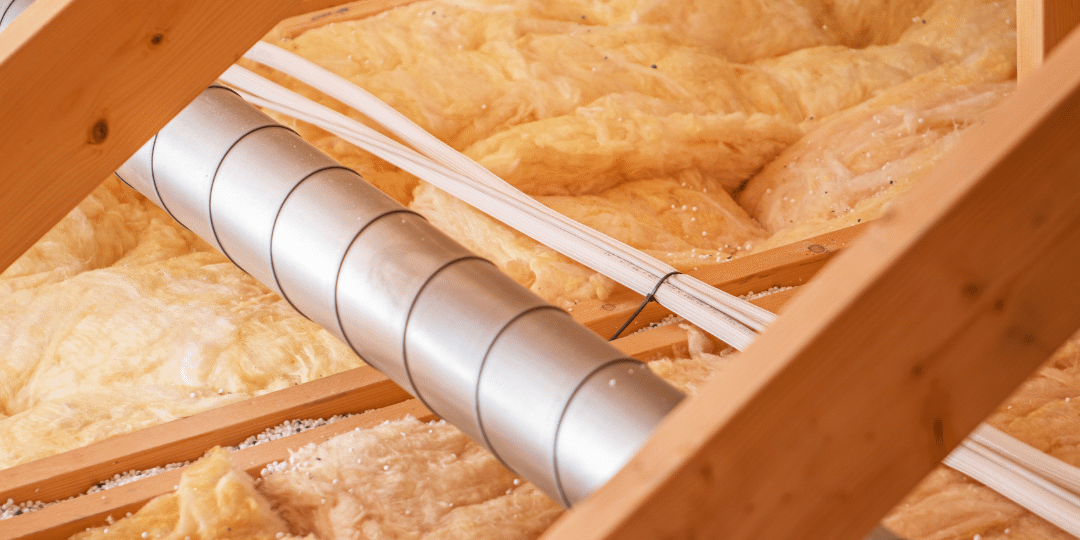
Once in the attic, the expert checks insulation coverage, type (such as fiberglass batts, loose-fill, or spray foam), and thickness to determine the current R-value. They’ll also evaluate the general condition of the material—is it compacted, sagging, or moldy? Is it up to code?
3. Thermal Imaging and Air Leak Detection
To catch hidden trouble spots, many professionals use thermal imaging cameras. These tools detect areas where heat is escaping or cold air is entering. Common culprits include gaps around plumbing stacks, recessed lighting, attic hatches, and ductwork.
4. Ventilation & Moisture Check
A well-insulated attic still needs proper airflow. Inspectors will assess intake and exhaust vents, check for signs of moisture (like staining or mildew), and look for any red flags that could point to condensation, ice dams, or mold.
5. Structural Safety and HVAC Review
The structural condition of your attic—joists, rafters, and sheathing—is also reviewed. Signs of sagging, water damage, or pests are documented. In addition, any HVAC ductwork running through the attic is checked for insulation and sealing.
6. Final Report and Recommendations
After the physical inspection, you’ll receive a detailed report that includes:
- Photos of the attic’s current condition
- Recommended improvements (e.g., adding attic floor insulation, sealing air leaks)
- Estimated energy savings and return on investment
- Information on rebates or tax credits (especially relevant in Colorado)
Preparing for the Appointment
To make the process easier:
- Clear access to the attic hatch or entry point
- Note rooms with extreme temperature differences
- Make a list of recent utility bill changes or HVAC concerns
How Insulation Pros of Colorado Helps
Insulation Pros of Colorado offers full-service attic insulation solutions, including:
- Attic floor insulation (fiberglass batts, loose-fill, spray foam)
- Air sealing for attics, hatches, and ceiling penetrations
- Moisture barrier installation
- Upgrades to outdated or underperforming insulation
Whether you live in a brand-new home or one that’s decades old, chances are your attic could benefit from an expert evaluation. Many homes in Loveland and surrounding areas were built before current energy efficiency standards, meaning they may lack proper insulation altogether.
Final Thoughts
An attic insulation assessment is more than a quick peek—it’s a comprehensive review of how well your attic protects your home from the elements. Identifying insulation gaps, air leaks, or ventilation problems early can help you reduce utility bills, avoid HVAC damage, and stay comfortable year-round.
Book Your Free Attic Assessment Today
Ready to see how much you could save? Contact Insulation Pros of Colorado to schedule your professional attic insulation assessment. Our experienced team serves Loveland, CO, and surrounding areas, offering customized solutions for your attic insulation needs. Whether you’re dealing with heat loss, moisture issues, or just an old insulation system, we’re here to help.
Visit insulationprosco.com or call today to book your free consultation!
FAQ: Attic Insulation Assessment
Q1: How long does a professional attic insulation assessment take?
Typically, it takes about 45–60 minutes, depending on the attic’s size and accessibility.
Q2: Do I need to be home during the assessment?
Yes. The technician will discuss problem areas with you and may need access to specific rooms for thermal scanning or airflow testing.
Q3: What if my insulation looks fine but my energy bills are still high?
Even if insulation appears intact, it may not be adequate. Air leakage, poor R-value, or compacted materials can all reduce performance.
Q4: Will I receive a written report?
Absolutely. The final report includes photographs, insulation R-values, and clear recommendations for upgrades and estimated energy savings.
Q5: How often should my attic insulation be assessed?
Every 5–7 years, or sooner if you notice signs of discomfort, rising utility bills, or moisture issues.
Q6: Can I add more insulation over existing material?
Yes—in many cases, additional layers of fiberglass or loose-fill can be added if the existing insulation is still in good condition.