When homeowners think about improving energy efficiency, insulation is usually the first thing that comes to mind. And while insulation is essential, it’s only part of the equation. If your attic isn’t properly air sealed, even high-quality insulation won’t perform the way it should.
In Loveland’s climate—where winters are cold, summers are hot, and temperature swings are common—air sealing your attic can be just as important as adding insulation. Here’s why.
Insulation Slows Heat—Air Sealing Stops It
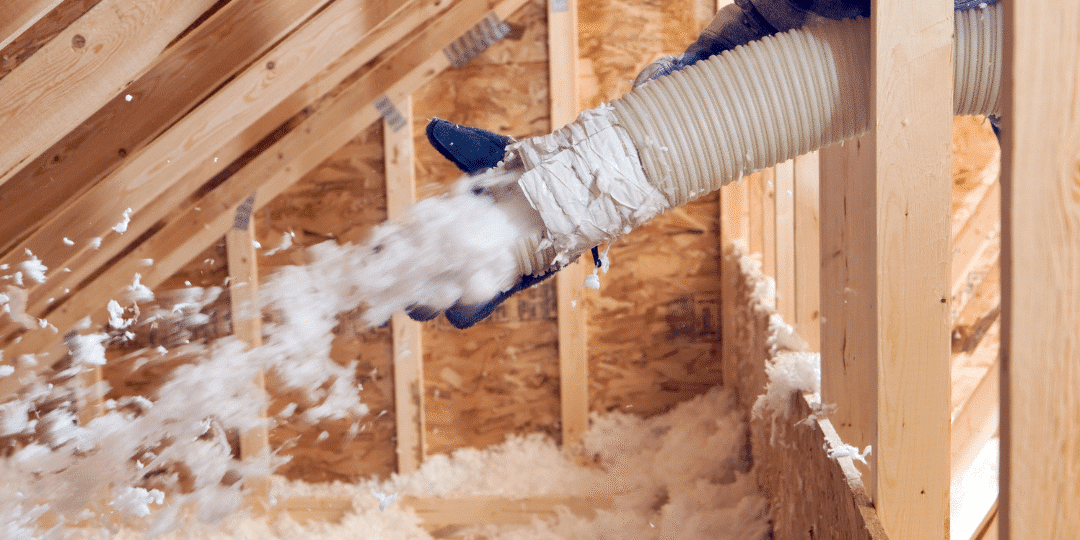
Insulation works by resisting heat transfer. Materials like fiberglass, cellulose, and spray foam reduce the movement of heat through conduction. But most traditional insulation materials are not air barriers. That means air can still move through gaps, cracks, and penetrations in your attic floor.
When air moves, it carries heat and moisture with it. This is where problems start.
Without proper air sealing:
- Warm air escapes into the attic during winter
- Hot attic air seeps into your living space during summer
- Moisture travels upward, increasing the risk of mold
- Your HVAC system runs longer and works harder
If you’re researching Air Sealing House Loveland CO, you’re likely already noticing symptoms like drafts, uneven temperatures, or rising energy bills.
Why Attic Air Leaks Are a Big Deal in Loveland
In winter, warm indoor air naturally rises. If your attic floor has gaps or openings, that heated air escapes into the attic. This creates two major issues:
- Energy Loss – Your furnace must replace the lost heat.
- Ice Dams – Escaping heat warms the roof deck, melting snow. When that melted snow refreezes at the eaves, it forms ice dams that can damage shingles, gutters, and roof decking.
In summer, the reverse happens. Superheated attic air infiltrates your home, making it harder for your air conditioner to maintain comfortable temperatures.
Air sealing addresses both problems by blocking unwanted airflow before insulation is installed—or by improving performance in attics that already have insulation.
Common Areas Where Attics Leak Air
A professional attic air sealing service focuses on sealing every penetration in the attic floor before adding or upgrading insulation. The most common leak points include:
- Top plates (where interior and exterior walls meet the attic)
- Electrical wire penetrations and junction boxes
- Plumbing vent pipes
- Recessed lighting and can lights
- Attic hatches and pull-down stairs
- Chimney and fireplace chases
- Drop soffits and bulkheads above cabinets
Many of these openings are small—but collectively, they can equal a hole the size of a basketball in your ceiling.
The Benefits of Professional Attic Air Sealing
1. Lower Energy Bills
By preventing conditioned air from escaping, your heating and cooling systems don’t have to work as hard. Homeowners often see measurable reductions in utility costs after proper air sealing.
2. Improved Comfort
Rooms that were previously drafty or difficult to heat become more consistent in temperature.
3. Reduced Moisture Risk
Air carries humidity. When warm, moist air enters a cold attic during winter, condensation can form on rafters and roof decking. Over time, this leads to mold, mildew, and wood rot. Air sealing significantly reduces this risk.
4. Better Indoor Air Quality
Air leaks allow dust, insulation fibers, and outdoor pollutants to enter your living space. Sealing these gaps helps keep indoor air cleaner.
5. Maximized Insulation Performance
Insulation performs best when paired with air sealing. Without sealing, insulation can’t reach its full R-value potential.
What the Air Sealing Process Looks Like
At Insulation Pros of Colorado, attic air sealing is a systematic process:
- Inspection and Leak Identification – Technicians assess all potential air leak points.
- Sealing Gaps and Penetrations – High-quality materials like spray foam and caulk are used to seal cracks and openings.
- Protecting Combustion and Ventilation Systems – Ensuring that proper attic ventilation remains intact is critical.
- Insulation Review or Upgrade – Once sealing is complete, insulation levels are evaluated and improved if necessary.
This comprehensive approach ensures your attic works as a complete system—not just a layer of insulation sitting on the floor.
Signs Your Attic Needs Air Sealing
You may benefit from attic air sealing if you notice:
- Cold drafts near ceilings or attic access points
- High heating bills in winter
- Uneven temperatures between floors
- Ice dams forming on the roof
- Excess dust or dirty insulation
- Mold or moisture issues in the attic
Why Choose Insulation Pros of Colorado?
Air sealing isn’t a quick DIY patch job. It requires knowledge of building science, ventilation requirements, fire safety clearances, and insulation performance.
Insulation Pros of Colorado provides professional attic air sealing services designed specifically for Northern Colorado homes. Our experienced team identifies hidden air leaks and seals them properly—helping homeowners in Loveland improve efficiency, comfort, and long-term home durability.
If you’re searching for Air Sealing House Loveland CO, we’re here to provide expert guidance and reliable service.
Schedule Your Attic Air Sealing Consultation
Don’t let hidden attic leaks drive up your energy bills or damage your roof this winter.
Contact Insulation Pros of Colorado today to schedule a professional attic air sealing assessment. We’ll evaluate your attic, explain your options clearly, and recommend solutions that make sense for your home and budget.
Call now or request your consultation online to get started.
FAQ: Attic Air Sealing
1. Is air sealing really necessary if I already have attic insulation?
Yes. Insulation slows heat transfer, but it does not stop air movement. Without air sealing, your insulation cannot perform at its full potential.
2. How much can attic air sealing reduce energy bills?
Savings vary by home, but many homeowners experience noticeable reductions in heating and cooling costs after sealing major air leaks.
3. Can air sealing prevent ice dams?
Air sealing helps prevent warm air from reaching the roof deck, which significantly reduces the risk of ice dam formation.
4. How long does attic air sealing take?
Most attic air sealing projects can be completed in a single day, depending on attic size and complexity.
5. Should air sealing be done before adding insulation?
Yes. Air sealing should always be completed before installing or upgrading insulation to ensure optimal performance.